Requirements for a Driving Licence | Complete Guide to Getting Licensed in India
Driving in India is not just about skill; it’s about responsibility, safety, and compliance with the law. To legally drive any motor vehicle, you must first obtain a valid driving licence issued by the Regional Transport Office (RTO). The requirements for a driving licence are clearly defined under the Motor Vehicles Act, 1988, to ensure that every driver understands traffic rules, possesses the necessary driving abilities, and maintains safety on the roads.
With the help of modern digital systems like the Sarathi and Vahan portals, the process of applying for a driving licence has become much simpler and more transparent. Whether you are applying for a learner’s licence or a permanent one, knowing the exact requirements helps you avoid delays and mistakes during the process.
Driving Licence System in India
A driving licence in India is an official government-issued document that authorizes a person to drive a specific category of vehicle. It serves as legal proof that the individual is trained and qualified to operate a vehicle safely.
Driving without a valid licence is a punishable offence under the law, leading to penalties or disqualification from future applications. Hence, every citizen who owns or operates a vehicle must apply for and maintain a valid licence.
Types of Driving Licences
The RTO issues different types of licences depending on the category of vehicle. Some of the common types include:
- Learner’s Licence: Temporary licence valid for six months, allowing new drivers to practice under supervision.
- Permanent Driving Licence: Issued after passing a driving test, valid for 20 years or until the applicant reaches 50 years of age.
- Commercial Driving Licence: Required for heavy vehicles used for transport, such as trucks, buses, and taxis.
- International Driving Permit (IDP): Allows Indian citizens to drive in foreign countries under international regulations.
Each category comes with specific eligibility criteria and documentation requirements, which are discussed below in detail.
Basic Requirements for a Driving Licence
The requirements for a driving licence vary depending on the vehicle category and applicant’s age. However, certain general conditions are common to all applications.
Age Criteria
Age is the most important factor in determining eligibility:
- Minimum 16 years for driving gearless two-wheelers (up to 50cc).
- Minimum 18 years for driving vehicles with gears or private cars.
- Minimum 20 years for commercial or transport vehicles.
Applicants below the minimum age are not permitted to apply. Parental consent is mandatory for applicants under 18 applying for gearless two-wheelers.
Educational and Medical Requirements
There is no formal education qualification required to apply for a private vehicle licence. However, for commercial licences, applicants must have at least completed the 8th standard. Additionally, a medical fitness certificate (Form 1A) signed by a registered medical practitioner is mandatory, especially for applicants above 40 years of age or for commercial categories.
Valid Proof Documents
Applicants must submit several documents during the process:
- Proof of age (Birth certificate, Passport, or Aadhaar card)
- Proof of address (Voter ID, Utility bill, or Rental agreement)
- Passport-sized photographs
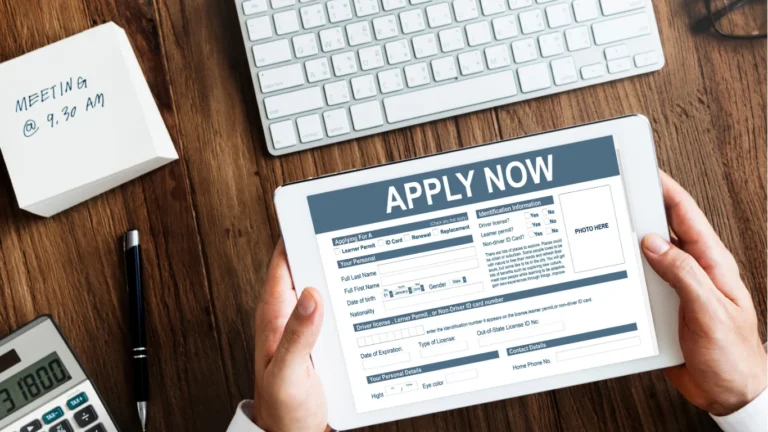
- Application form (Form 2 for learner’s licence, Form 4 for permanent licence)
- Medical certificate (Form 1A if required)
These documents verify the applicant’s identity and eligibility for the chosen licence category.
How to Obtain a Driving Licence
With the government’s digitization initiatives, the entire process of applying for a driving licence can now be done online through the Parivahan Sewa or Sarathi portal. The process is generally divided into two main stages — obtaining a learner’s licence and then a permanent licence.
Applying for a Learner’s Licence
To start, applicants must first apply for a learner’s licence. This stage ensures that beginners are aware of basic traffic rules before hitting the road. The steps include:
- Visit the official Sarathi website (https://sarathi.parivahan.gov.in/).
- Choose your state from the drop-down menu and click “Apply for Learner Licence.”
- Fill out the application form with personal, address, and vehicle details.
- Upload required documents and photographs.
- Book an online slot for the learner’s test at your nearest RTO.
- Pay the applicable fee and appear for the test.
Once you pass the learner’s test — a short written or computer-based exam on road signs and traffic rules — you will receive a learner’s licence valid for six months.
Applying for a Permanent Driving Licence
After holding a learner’s licence for at least 30 days, you can apply for a permanent driving licence. The steps are similar:
- Log in to the same portal and select “Apply for Driving Licence.”
- Upload documents, photographs, and learner’s licence details.
- Schedule a driving test appointment at your RTO.
- Pay the necessary fees and attend the test with your own vehicle.
The driving test evaluates your ability to control the vehicle, follow signals, and obey traffic laws. If you pass, your licence is issued and mailed to your registered address or made available digitally on mParivahan and DigiLocker apps.
Important Rules and Conditions for Licence Holders
Owning a driving licence comes with certain legal and ethical responsibilities. Every licence holder must comply with the traffic regulations enforced by the Motor Vehicles Act.
Licence Validity and Renewal
A permanent driving licence is valid for 20 years from the date of issue or until the licence holder turns 50, whichever comes earlier. After expiry, it must be renewed within 30 days to avoid penalty. The renewal process can also be completed online through the Parivahan portal.
For commercial licences, renewal is required every five years, along with a fresh medical certificate.
Address Change or Duplicate Licence
If you change your residence, you must apply for an address update on your licence. Similarly, in case of loss or damage, you can apply for a duplicate licence online. The system ensures all records are maintained digitally for easy verification.
International Driving Permit (IDP)
Indian licence holders planning to drive abroad must apply for an IDP. It requires a valid Indian driving licence, passport, and visa. The IDP remains valid for one year and can be reissued when required.
Role of Sarathi Portal in Digital Licensing
The Sarathi portal, operated under the Parivahan Sewa platform, is a major technological advancement that has simplified the application and issuance of driving licences across India. It provides citizens with an easy, transparent, and paperless process to manage all licensing services.
5.1 Features of the Sarathi Portal
The Sarathi system manages:
- Learner’s and permanent licence applications
- Slot booking for driving tests
- Renewal, duplicate, and change of address requests
- Fee payments and status tracking
All information is automatically linked to the national database, eliminating errors and making licence verification easier for traffic authorities and insurance companies.
Integration with Other Platforms
Sarathi is integrated with Vahan e Services, mParivahan, and DigiLocker, creating a unified ecosystem where all vehicle and driver information is accessible online. This digital transformation aligns with the government’s vision of “Digital India.”
Test and Evaluation Process
The driving test is a crucial part of getting your permanent licence. It assesses both practical skills and understanding of road safety.
Structure of the Driving Test
The RTO officer conducts the test on a designated track. You will be required to perform basic driving tasks such as starting, turning, reversing, parking, and following traffic signals. For two-wheeler applicants, maintaining balance and hand signals are also observed.
Evaluation Criteria
The officer grades the applicant based on:
- Vehicle control and awareness
- Observation of road signs and signals
- Use of mirrors and indicators
- Confidence and road discipline
Failing the test does not mean you lose your chance permanently. You can reapply for the test after seven days by paying a small re-test fee.
Mistakes to Avoid During Application
Many applicants face delays or rejection because of simple mistakes. Avoid these issues to ensure a smooth process:
- Entering incorrect personal details during form submission
- Uploading unclear or mismatched documents
- Missing test appointments
- Not practicing before the driving test
- Ignoring the 30-day waiting period between learner and permanent licence
Being careful during each stage ensures your licence is processed smoothly and without unnecessary visits to the RTO.
Benefits of Having a Driving Licence
Holding a driving licence is more than just a legal necessity — it offers numerous practical advantages.
Firstly, it serves as an official government ID proof recognized across India. Secondly, it grants you freedom of mobility, allowing you to travel independently without relying on others. Additionally, it enhances employability, as many jobs require candidates to hold a valid licence, especially in logistics or transportation fields.
For commercial drivers, it opens opportunities in goods transport, passenger services, and logistics operations. Lastly, digital licences available through the mParivahan app ensure you always have valid proof of identity and authorization, even without carrying physical documents.
Future of Driving Licence Services in India
The Indian government continues to modernize the licensing system through automation, artificial intelligence, and centralized databases. In the near future, driving tests are expected to become fully automated in major cities, ensuring fairness and precision in evaluations.
The expansion of e-governance platforms like Sarathi and Vahan will make it easier for citizens to renew licences, check penalties, or update personal details online. This not only increases transparency but also contributes to environmental sustainability by reducing paper usage.
Conclusion
Understanding the requirements for a driving licence is essential for every citizen before hitting the road. It ensures you meet all eligibility conditions, follow proper procedures, and maintain compliance with traffic laws. From age and documentation to passing the driving test, every step plays a crucial role in making India’s roads safer.
FAQ’s
1. What are the basic requirements for a driving licence in India?
To get a driving licence in India, you must be at least 18 years old for private vehicles and 20 for commercial vehicles. You also need a learner’s licence, ID proof, address proof, and medical fitness certificate.
2. Can I apply for a driving licence online in India?
Yes, you can apply online through the Parivahan Sewa portal. Fill in the form, book a test slot, upload documents, and visit the RTO for verification and the driving test.
3. Is a learner’s licence mandatory before applying for a driving licence?
Yes, a learner’s licence is mandatory. It allows you to practice driving legally and helps you prepare for the final driving test.
4. How long is a driving licence valid in India?
A private vehicle driving licence is generally valid for 20 years or until the holder turns 50 years old, whichever comes first. After that, it must be renewed.
5. What happens if I fail the driving test?
If you fail the test, you can reapply after a few days, as per RTO rules. You will need to pay the retest fee and schedule a new date for the test.